

Discover are medical alert devices tax-deductible in this guide along with IRS rules, eligible expenses, and tips for claiming tax deductions.

January 28, 2025
Are Medical Alert Devices Tax Deductible? Complete Guide
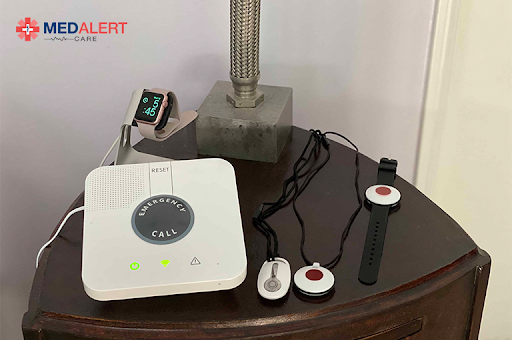
A medical alert system offers unparalleled peace of mind for seniors and individuals with chronic health conditions. These devices typically consist of a pendant or a bracelet that allows a person to connect to emergency medical services in an instance whenever needed. But are medical alert devices tax deductible?
The answer to this is not as straightforward as one may think. Tax laws can be complex and vary depending on individual circumstances and the specific type of medical alert systems. This blog discusses the tax implications of medical alert devices and how you can maximize your tax benefits.
Do Medical Alert Devices Qualify as Medical Expenses?
Yes, medical alert devices can be incorporated into tax returns if they satisfy the IRS tests defining medical expenses that can be deducted. Such instruments are viewed as being critical in averting or dealing with severe medical crises, with particular emphasis on the elderly and those who suffer from chronic diseases.
The expense eligible for deduction must be more than 7.5% of your AGI. As well as the eligible medical equipment tax may include the purchase of the alert device, installation costs, and service charges for monitoring, but only the non-reimbursed portion is deductible.
Besides, taxpayers need to ensure that they maintain documents such as doctor’s prescriptions, receipts, and medical history paperwork of the medical device tax and its costs.
Some of the medical alert devices cost that may qualify for deduction are:
Equipment Costs: Actual cost of the used device.
Monthly Monitoring Fees: Charges incurred for regular monitoring services.
Installation Fees: Charges incurred from both set-up and installation.
Read Also: Senior Communities | Amazing Benefits for Seniors to Join
Key Factors Determining Deductibility
Necessity
The first aspect is whether the medical alert device can be recognized as necessary for medical tax deductions. In most instances, it means the expense must be:
Physician Recommendation
A physician must have recommended the device for support for people with medical conditions.
Diagnosis & Prevention of Disease
For diagnosis, cure, mitigation, treatment, or prevention of disease: the device must directly relate to a diagnosed health concern.
Type of Device
Basic Systems
Simple systems with basic features may be harder to justify as a medical expense.
Advanced Systems
More sophisticated systems with features like fall detection, GPS tracking, and two-way communication may have a stronger case for deductibility.
Individual Circumstances
Age and Health
Seniors and individuals, meanwhile, with significant health challenges are more likely to get successful deductions.
Living Situation
If you live alone or have mobility/movement issues, the device is a must-have and may also qualify for deductions.
Ways to Claim a Tax Deduction
Documentation
Doctor’s Prescription
Obtain a letter from your doctor clearly stating the medical necessity of the device.
Purchase Receipts
Keep all receipts and invoices related to the purchase and installation of the system.
Service Contracts
Maintain records of any service contracts or monthly fees associated with the system.
Itemized Deductions
Medical expenses must be itemized by taxpayers in the federal income tax return.
Engage An Expert
A person’s situation can be very different and tax laws can change accordingly. Hence, it is best to hire a professional tax advisor to make sure you follow the rules properly and take advantage of the deductions available to you.
Confused About Maximizing Tax Deductions on the Medical Alert System
Get the Necessary Information from MedAlert Care
IRS Guidelines for the Deduction of Medical Devices
Medical alert devices are considered medically necessary, but the IRS has specific guidelines for senior tax deductions on medical devices. These are:
Primary Medical Use
The device should serve the primary purpose of preventing health complications.
Doctor’s Prescription
Getting your physician to recommend or prescribe the medical alert device will strengthen your claim for a deduction.
Not Covered by Insurance
The only eligible deductions are for out-of-pocket expenses incurred in the purchase of medical alert devices. In situations where insurance covers part of the costs, only the portion you paid will be deemed deductible.
Guidelines to Maximize Tax Benefits for Seniors
Arrange Expenses in One Category
If the policy allows, try to arrange the medical procedures or purchases in the same tax year. This will make it easier for you to surpass the AGI threshold.
Study IRS Documents
IRS Publication 502 has information on what constitutes deductible medical expenses.
Contact a Professional
Due to the nature of tax law, there may be many loopholes that are difficult for a layman to navigate. Meanwhile, a tax expert can ensure you claim the maximum amount of deductions legally permissible.
Track All Medical Costs
Small expenses like transportation costs to doctor appointments have the potential to raise your total deductions significantly.
Ended Up
Are medical alert devices tax deductible? yes, medical alert devices may qualify as deductible medical alert tax expenses if they meet IRS requirements, allowing potential tax write-offs. Importantly, maintaining good records and consulting a physician can be beneficial, especially if bundling expenses exceed the 7.5% AGI threshold.
While medical equipment tax deduction is advantageous, the primary benefit of these devices lies in the safety and comfort they provide. At last, consulting a tax expert is recommended for getting guidance on tax deductions.
Take Control of your Health with MedAlert Care
Choosing MedAlert Care ensures you maximize your tax deductions on medical alert devices. Our offerings, including a In-home mdecial alert system, GPS tracker for elderly, and fall detection watch for seniors, are designed to meet IRS criteria for medical necessity. Moreover, with proper documentation and guidance from our experts, you can confidently understand the tax benefits available, helping you save money while prioritizing your health and safety.
FAQ's
Yes, medical alert devices are indeed tax deductible. To qualify, the expenses must exceed 7.5% of your adjusted gross income (AGI) and should be prescribed or recommended by a doctor.
Tax-deductible medical equipment for the treatment of physical or psychological illnesses includes property used in a hospital or any other medical facility such as wheelchairs etc.
Yes, you can claim the cost of a medical alert device for a dependent if you provide more than half of their financial support. Moreover, be sure to maintain receipts or paperwork as documentation since they may be required for itemized deductions.


