

Choosing a MedAlert device for seniors? Learn the pros, costs, and key differences between monitored and unmonitored devices to ensure senior safety.

January 30, 2025
Monitored vs. Unmonitored MedAlert Devices for Seniors
Medical Alert devices play a significant role in a person’s health, especially for those with health problems or at risk of falling. These devices are a lifeline in emergencies, offering fast help when it’s needed most. For caregivers, MedAlert systems bring peace of mind, knowing their loved ones can get help immediately.
When choosing a medical alert system, one of the main decisions you’ll need to make is whether to go for a monitored or unmonitored system. This choice will determine how your loved one gets help in an emergency.
In this blog, you will find the specifications of both types of MedAlert devices, helping you decide which one is the best fit for you or your loved one.
As older people grow older, their safety and independence become more challenging yet important to manage. Having medical alert devices is among the most effective strategy that helps the elderly community to get assistance in case of emergencies. Most medical alert devices for seniors are affiliated with subscription packages that charge a monthly premium, but some devices are available without a subscription option.
Families looking into cost-effective options will appreciate these devices for use in the no-monthly-fee category that still serves all the basic purposes.
This blog evaluates the benefits and drawbacks of the alert systems to help you decide on the most suitable option for your aged loved one.
Understanding Medical Alert Systems for Seniors
Medical alert systems are devices that provide quick help during emergencies, especially for seniors or those with health issues. Users can request help by pressing a button, and/or the system can automatically detect emergencies like falls.
Worn as a medical pendant or smartwatch, these devices, connect to a monitoring service or family members. When activated, they send an alert to emergency services or contacts, ensuring fast assistance.
Read Also: Telehealth for Seniors | How It is Improving Senior Care
Monitored Medical Alert Systems
Monitored MedAlert systems help seniors and people with health concerns get quick assistance during emergencies. These devices are linked to a 24/7 monitoring center, where trained professionals respond when the alert button is pressed.
The system can be a medical alert watch, pendant, or bracelet it sends a signal to the center. If needed, the staff will contact emergency services or notify family members. Some devices also have fall detection to automatically send alerts if a fall occurs.
Unmonitored Medical Alert Systems
An unmonitored MedAlert system is a device that helps individuals request assistance during an emergency, but it does not connect to a professional monitoring center. Instead, when the alert button is pressed, it sends a notification to pre-programmed contacts, such as family members, friends, or caregivers.
In the case of an emergency, these contacts are responsible for providing help or contacting emergency services themselves.
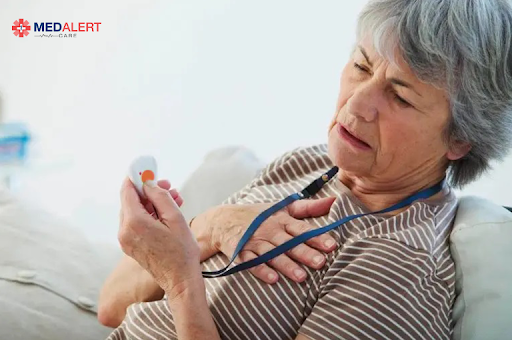
Wearable Medical Alert Devices: A Convenient Option for Seniors
Wearable Medical Alert devices are popular for seniors because they’re easy to use and portable. These wearable devices can be pendants, smartwatches, and GPS medical alert systems enabling seniors to wear them comfortably all day. These devices can work with both monitored systems, where help is sent from a response center, and unmonitored systems, where alerts go to family or friends.
For seniors with limited mobility, wearable devices are comfortable, convenient, and easy to use, offering quick access to help in emergencies and peace of mind for both seniors and their families.
A new survey by U.S. News & World Report’s 360 Reviews shows that 96% of seniors using medical alert devices feel relieved, and 93% feel safer using these devices.
Medical Alert Systems Comparison
Monitored vs. Unmonitored Medical Alert Devices
When choosing medical alert devices for seniors, it’s important to know the differences between monitored and unmonitored MedAlert systems. Below is a brief comparison based on different factors.
Tracking Capabilities
Monitored systems have exclusive features like GPS tracking. This helps the operator find the senior’s exact location, whether at home or outside. Emergency services can then reach them quickly, wherever they are.
Unmonitored systems don’t have GPS. They usually just send alerts to saved contacts or emergency numbers, and the location might only show the home address. If the senior is not at home, help may have a harder time finding them.
Cost
Monitored medical alert systems usually have a monthly or yearly fee subscription, ranging from $30 to $50. This fee covers 24/7 monitoring by a professional response center.
Unmonitored systems are cheaper because they don’t have a monthly fee. You only pay once for the device, which usually costs between $50 and $300, depending on the type (like a pendant, wristband, or smartwatch)
Response & Reliability
Monitored MedAlert systems have high reliability with quick response times from trained operators.
Not the case for unmonitored MedAlert systems as there can be delays in response time depending on whether the contacts are available and able to respond quickly.
Ease of Use
Monitored devices are simple to use. You just need to press the button to connect to a response center.
Unmonitored systems are simple to use as well. Most devices send an alert when you press a button. They are also small and easy to carry, making them great for everyday use.
Style
One of the advantages of unmonitored medical alert systems is that they often come in stylish designs.
In recent years, many monitored systems have also become sleek and modern. Options like wristwatch-style devices blend easily into daily life.
Level of Care Provided
Monitored systems provide better care because they connect you directly to trained professionals at a monitoring center.
Unmonitored systems only send emergency alerts and contact a list of pre-set people, who then decide what to do next.
Wrap Up
In conclusion, both monitored and unmonitored medical alert systems help keep seniors safe. Monitored systems provide 24/7 professional support, GPS tracking, and quick emergency response, making them a great choice for those who need extra security.
Unmonitored systems are more affordable and connect directly to family or emergency services. The best option depends on the senior’s lifestyle, health needs, and budget. No matter which system is chosen, these devices offer peace of mind and ensure help is always available when needed.
Find the Right MedAlert Care for your needs
At MedAlert Care, we know that each senior has different safety needs. If you’re looking for a dependable monitored system with round-the-clock professional support, we have the right solution for you. Our easy-to-use, portable medical alert devices keep you and your loved ones safe and connected.
Don’t wait for an emergency to make a choice, contact us today to find the perfect MedAlert system that matches your lifestyle and budget. Your safety is our top priority!
FAQ's
An unmonitored medical alert system is a device that calls pre-set numbers, like family or 911, when the emergency button is pressed. It doesn’t connect to a professional monitoring center. These systems are more budget-friendly but depend on personal contacts for assistance.
Monitored systems connect to a 24/7 emergency center, where trained professionals respond to alerts and send help. Unmonitored systems, however, notify pre-set contacts like family without professional monitoring. Monitored systems offer more security, while unmonitored ones are more affordable.
A monitored alarm system is a security or medical alert system that connects to a 24/7 response center. When activated, it sends an alert to trained professionals who evaluate the situation and send help if needed. This provides fast assistance and extra safety for users.


